Tips Sabung Ayam Menang for Consistent Victory and Strategy
Sabung ayam requires more than luck; understanding the right strategies significantly increases the chances of winning. Selecting a strong, well-trained rooster and applying effective betting tactics are key to consistent success in sabung ayam. Knowing the characteristics of each bird and how to read the fight dynamics also helps in making smarter decisions.
Players who focus on budgeting and managing their resources tend to avoid unnecessary losses. Mastering the basics and advancing with proven techniques makes the game more predictable and less risky. For those serious about improving, learning from experienced players’ strategies is essential to elevate their gameplay.
Understanding Sabung Ayam Basics
Sabung Ayam has a rich cultural background and precise rules that shape the matches. Knowing the historical context, regulations, and different match types is essential for anyone aiming to participate or understand the game better.
History and Culture of Sabung Ayam
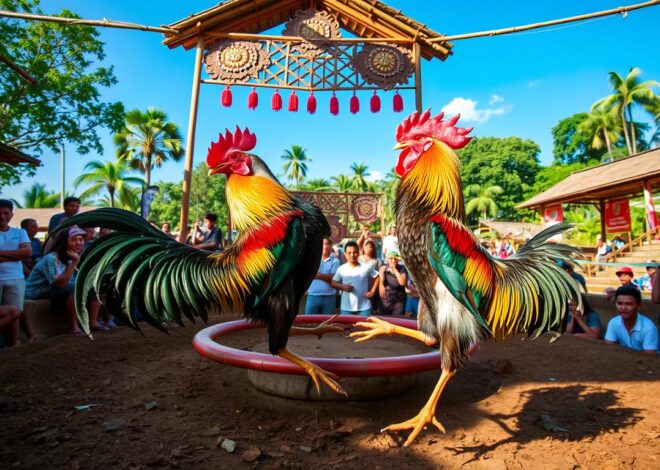
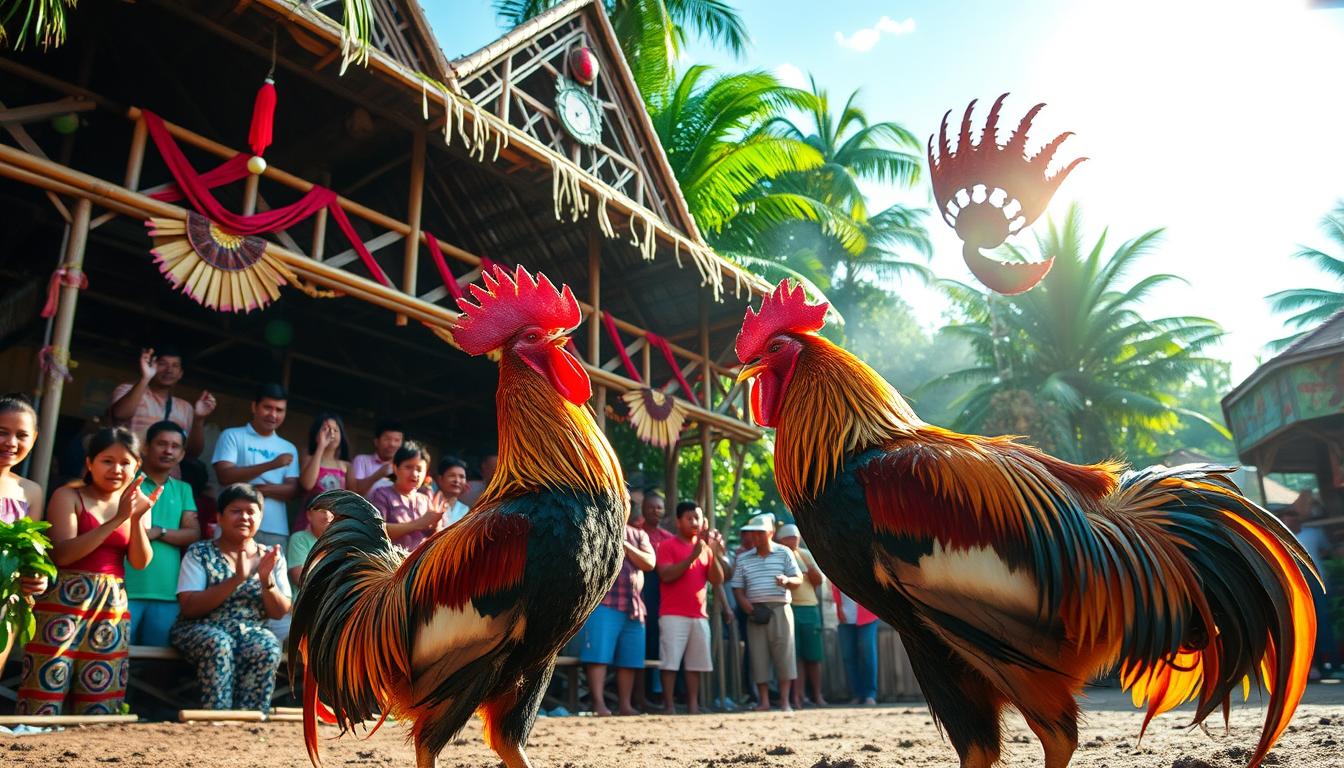
Sabung Ayam, also known as cockfighting, is a traditional pastime deeply rooted in many cultures, especially in Southeast Asia. It has been practiced for centuries, originally serving as both entertainment and a social event. The tradition is often associated with local festivals and community gatherings.
The cultural significance goes beyond simple gambling; it reflects heritage, local customs, and the bond people share through the care and training of fighting roosters. Despite controversies over animal welfare, the sport remains popular due to its historical ties and the skills involved in breeding and handling the birds.
Key Rules and Regulations
Sabung Ayam follows a set of specific rules designed to ensure fairness and safety for the participants and the animals. Typically, matches are held in a circular ring called an “arena,” where two gamecocks face off until one is declared the winner.
Basic rules include:
- Bouts last until one cock is injured or retreats.
- Use of sharp knives or spurs attached to the roosters’ legs is common but regulated for safety.
- Betting rules vary by region but often include defined limits and procedures.
Players must also understand local laws, as cockfighting is restricted or banned in some areas due to ethical concerns.
Types of Sabung Ayam Matches
Sabung Ayam matches can differ based on location, tradition, and participants’ preferences. The most common types are:
- Traditional matches: Held outdoors with natural daylight and local rules.
- Tournamen-style matches: More formalized with weight classes and time limits.
- Online sabung ayam: A modern adaptation allowing remote participation through digital platforms.
Each type requires different preparation and strategies, influencing how players select and train their roosters. Understanding these variations helps players adapt and increase their chances of winning.
Selecting the Right Rooster
Choosing the ideal rooster involves assessing physical traits, breed suitability, and health status. These factors directly influence performance, stamina, and resilience in the arena.
Physical Characteristics to Look For
A winning rooster typically has a strong, muscular body with well-defined legs and a firm stance. Its legs should be thick and straight, without deformities, as these are crucial for stability and powerful kicks. The feathers must be sleek and tight, allowing swift and agile movements without drag.
The head is another important focus area; clear eyes and a sharp, hooked beak indicate alertness and fighting potential. A broad chest reflects strong lung capacity and endurance. Additionally, the wings should be well-balanced but not overly large, as large wings can weigh the bird down.
Best Breeds for Winning
Certain breeds are naturally better suited for sabung ayam due to their fighting instincts and physical attributes. The Sumatra breed is favored for its aggressive nature and endurance. Shamo roosters are known for their height and strength, often intimidating opponents with their size.
The Thai Gamefowl is renowned for its speed and tactical agility, making it a formidable contender. Each breed carries unique advantages, but the right choice depends on the combative style preferred. Selecting a breed with a history of success in local arenas improves the chance of consistent wins.
Evaluating Rooster Health
A healthy rooster is essential for optimal performance. Look for clear, bright eyes and clean nostrils, as signs of good respiratory health. The rooster should have a steady breathing rate and no signs of discharge around the beak or eyes.
Checking for parasites or wounds on the skin and legs is critical. Skin should be smooth without scabs or lesions. The bird should be active and alert, displaying strong reflexes during handling.
A healthy appetite and good hydration also contribute to overall vitality. Regular veterinary checks and vaccinations help maintain optimal health before entering competition.
Effective Training Techniques
Consistent training builds stamina, sharpens reflexes, and improves fighting skills. Conditioning both the body and mind prepares the bird to perform under pressure, while specific sparring methods develop strength and tactical awareness.
Daily Exercise Routines
Regular physical activity enhances endurance and agility. Exercises such as short sprints improve explosive speed, while long runs build cardiovascular stamina. Incorporating swimming or obstacle courses can further boost muscle development and flexibility.
Training should be varied and incremental, beginning with low intensity and gradually increasing. This prevents injury and ensures the chicken remains fit without losing energy for fights. Rest periods between exercises are essential to allow recovery.
Feeding should complement the workout schedule, focusing on high-protein nutrition to support muscle repair and growth. Monitoring weight helps maintain optimal condition, avoiding excess bulk or excessive leanness.
Mental Conditioning Strategies
Mental toughness is as important as physical readiness. Techniques like exposure to crowd noise or simulated fight stress help reduce anxiety during actual matches. Gradual adaptation to pressure improves focus and calmness.
Owners often use routines that encourage the bird’s confidence, such as controlled handling and positive reinforcement during training. This builds trust and helps the chicken respond well to commands or stimuli during fights.
Keeping stress low outside training limits aggression loss. Quiet environments and steady schedules contribute to a stable mental state, enhancing the bird’s alertness and responsiveness in competitive settings.
Sparring Methods for Strength
Sparring sessions mimic real fights to refine technique and build power. Controlled bouts with similar-sized opponents allow birds to practice timing, striking, and defense without full risk.
These sparring matches focus on short, intense exchanges followed by rest, enabling recovery and learning from each interaction. Trainers observe closely to adjust tactics and identify weaknesses.
Using protective gear or limiting fight duration minimizes injuries during sparring. This ensures the bird remains in prime condition while gaining experience, increasing its ability to perform effectively in actual fights.
Nutrition and Proper Care
Proper nutrition and attentive care directly influence a fighting cock’s strength, stamina, and overall condition. Consistent feeding routines, targeted supplements, and vigilant health monitoring form the foundation for peak performance.
Balanced Diet Tips
A balanced diet for fighting cocks should combine protein, energy, and vitamins in precise proportions. High-quality grains like corn, millet, and sorghum provide essential carbohydrates and energy. Protein sources, such as soybeans or fish meal, support muscle growth and repair.
Fresh vegetables and fruits can add vitamins like A and C, which are critical for immune function. Daily feeding should be divided into two to three small meals to enhance digestion and nutrient absorption. Avoid overfeeding to prevent obesity, which reduces agility.
Clean water must be available at all times. Proper diet maintains not only physical strength but also sharp reflexes and glossy feather condition, essential traits for fighting birds.
Supplements for Performance
Supplements can boost endurance, recovery, and aggression in fighting cocks when used correctly. Common additions include calcium and phosphorus for strong bones and beak development.
Vitamins B and E improve metabolism and energy levels, while selenium and zinc serve as antioxidants, reducing oxidative stress during fights or training. Some trainers also use natural stimulants like garlic and ginseng to enhance stamina and immune response.
It is critical to follow recommended dosages to avoid toxicity or side effects. Supplements should complement—not replace—a nutritious diet.
Preventing Common Illnesses
Prevention focuses on hygiene, vaccinations, and regular health checks. Clean cages and feeding tools reduce exposure to pathogens. Frequent inspection for parasites like mites or lice prevents weakening infestations.
Vaccination schedules must be followed to protect against diseases such as Newcastle and fowl pox. Early signs of common conditions include lethargy, ruffled feathers, or loss of appetite; prompt isolation and treatment limit spread.
Stress reduction through proper handling and environment control further decreases illness risk, ensuring that birds stay fit and ready for competition.
Fight Day Preparation
Preparing a rooster for fight day involves meticulous attention to grooming, physical readiness, and health status. Proper steps can improve performance and reduce risks during the match.
Pre-Match Grooming Practices
Grooming focuses on cleaning and maintaining the rooster’s feathers and physical condition. The bird should be bathed gently using lukewarm water to remove dirt and debris, then dried thoroughly to prevent chills.
Sharp spurs should be trimmed carefully to avoid self-injury but not so much that it weakens natural defense. Feather trimming around the eyes and neck improves visibility and mobility without causing discomfort.
Lastly, applying antiseptic to any small wounds ensures they don’t worsen during the fight. Grooming also includes calming the bird to minimize stress, which can impact its focus and stamina.
Warming Up Your Rooster
Warming up readies the muscles and energy systems for the intense activity ahead. Light exercise, like gentle flapping and short walking sessions, stimulates blood flow without exhausting the rooster.
This phase typically lasts 10-15 minutes to elevate core temperature and muscle flexibility. Some handlers practice sparring with a controlled opponent to mentally and physically prime the bird.
Hydration is crucial; offering small sips of water right before the fight helps maintain endurance. Careful pacing during warming avoids fatigue while ensuring the rooster’s body is fully activated.
Last-Minute Health Checks
Final health assessments verify the bird is fit to compete safely. Handlers inspect for signs of infection, excessive swelling, or unusual behavior indicating distress or injury.
Checking respiratory rate and alertness confirms the rooster’s condition. Any lethargy or labored breathing can signal underlying issues.
It is essential to ensure the bird has been fed adequately but not overly full, as an upset stomach can hinder performance. If health concerns arise, postponing the match is advised to protect the animal’s welfare.
In-Match Strategies
Success in Sabung Ayam depends on the ability to analyze the opponent’s behavior, adjust tactics dynamically, and manage the rooster’s physical condition effectively throughout the fight. These factors can turn the tide during critical moments without relying on luck alone.
Reading Opponent’s Moves
Observing the opponent’s rooster closely is essential. Identifying patterns in attack style and timing helps predict the next strike. For example, if the opposing rooster favors quick, low attacks, the player can prepare defensive moves accordingly.
Attention to the opponent’s body language is also key. Signs like hesitation, repeated motions, or fatigue reveal openings for counterattacks. This awareness allows for strategic positioning to avoid damage and exploit weaknesses.
Tracking these details requires patience and sharp focus. The better a player reads the opponent, the higher the chance of controlling the flow of the match from the start.
Tactical Adjustments During Combat
Adjusting tactics mid-match involves switching between offensive and defensive modes. If the rooster has sustained damage, it might be necessary to focus on evasion to conserve health.
Players should exploit moments when the opponent is vulnerable after aggressive moves. Quick, coordinated counterattacks maximize damage when the opponent’s guard is down.
Using feints can mislead the opponent, creating confusion and opening opportunities. Switching strategies also helps adapt to unexpected behaviors or shifts in the opponent’s stamina and aggression levels.
Maximizing Stamina in the Ring
Maintaining stamina is crucial for prolonged performance. Overexertion early in the fight can leave the rooster weakened in later rounds.
Balanced effort involves timely resting periods between attacks. Roosters that pace themselves effectively tend to outlast their opponents.
Monitoring breathing and movement speed helps assess stamina levels. Strategic breathing and controlled movements conserve energy, allowing for a strong finish as the opponent tires.
A focus on stamina management ensures the rooster remains competitive throughout the match, increasing chances of victory.
Post-Match Care and Recovery
Proper care and recovery after a match significantly impact a fighting cock’s future performance and health. This phase focuses on promptly managing injuries and restoring the bird’s strength through a controlled rehabilitation routine.
Treating Injuries Effectively
Immediate attention to wounds and bruises is critical. Cleaning injuries using antiseptic solutions prevents infection and promotes faster healing. Applying topical antibiotic ointments can further reduce the risk of bacterial invasion.
In cases of swelling or minor fractures, cold compresses help reduce inflammation. More severe injuries, such as deep cuts or broken bones, require veterinary intervention to avoid long-term damage. Monitoring the bird for signs of pain or abnormal behavior ensures timely response.
Nutrition plays a vital role here. Supplementing the diet with vitamins A, D, and E supports tissue repair and immune function. Pain management, if necessary, should always be administered under professional guidance.
Gradual Rehabilitation Process
Recovery should be gradual to prevent setbacks. Initial rest in a quiet, clean, and comfortable environment allows the bird to conserve energy and heal efficiently. This period usually lasts from several days to a couple of weeks, depending on injury severity.
After rest, light exercise routines, such as short flights or gentle wing stretches, help rebuild muscle strength without risking re-injury. Careful observation during this phase is essential to track the bird’s progress.
Consistent hydration and a balanced diet enriched with protein improve stamina and aid muscle regeneration. The overall approach balances patience with structured activity, ensuring the bird regains full fighting capability safely.
Avoiding Common Mistakes
Success in cockfighting depends on careful preparation and realistic assessments. Missteps in training, health maintenance, and opponent evaluation often lead to poor outcomes. Attention to detail in these areas is crucial for consistent performance.
Overtraining Issues
Overtraining a fighting cock can lead to physical exhaustion, reduced stamina, and weakened immune response. Frequent, intense practice sessions without adequate rest increase the risk of injury and stress. This diminishes the bird’s natural fighting ability.
Balanced training involves alternating high-intensity exercise with recovery periods. Monitoring the bird’s behavior for signs of lethargy or aggression helps to adjust training accordingly. Overtraining should be avoided to maintain optimal energy levels and peak condition.
Neglecting Regular Health Checks
Ignoring regular health checks exposes a fighting cock to hidden illnesses and reduces its overall match readiness. Parasites, infections, and injuries often go unnoticed without routine inspections. These health issues can severely impact performance.
A proper health regimen includes weekly physical checks, vaccinations when necessary, and parasite treatments. Early detection of symptoms like feather loss, swelling, or behavioral changes allows timely intervention. Maintaining good health is essential for a strong and resilient contender.
Miscalculating Opponent’s Strength
Underestimating or overestimating an opponent’s capabilities often results in poor betting decisions. Judging solely on appearance or recent wins can be misleading if the opponent’s fighting style or stamina is not properly analyzed.
Effective evaluation involves studying the opponent’s fight history, noting patterns in style, endurance, and past injuries. Bettors should compare these factors with their own bird’s strengths to make informed decisions. Accurate assessment reduces the chance of unexpected losses.
Leveraging Local Expert Advice
Consulting local experts can significantly improve a bettor’s chances in sabung ayam. Experts such as experienced handlers, trainers, and seasoned bettors have deep insights into the nuances of the game. Their knowledge includes recognizing the strengths and weaknesses of different roosters and predicting outcomes based on subtle cues.
These professionals understand the specific characteristics and fighting styles unique to each rooster. They can offer practical tips on selecting birds that have better stamina, agility, or temperament for matches. Such advice is often based on years of observation and hands-on experience.
Players can benefit from learning how experts approach betting strategy. This might include advice on how to manage risks, when to place bets, and how to read match dynamics. Experts often emphasize the importance of combining careful analysis with emotional control.
Key benefits of seeking expert advice:
- Access to deeper understanding of rooster behavior
- Improved ability to evaluate match conditions
- Guidance on effective betting strategies
- Learning to avoid common mistakes
By actively engaging with experts, a player moves beyond luck and chance into a more strategic and informed approach. This increases the likelihood of consistent success in sabung ayam betting.